
What Is a Zero Knowledge Proof? A Plain-English Guide

Alisha Anjum
You want to prove something is true, like your age or your bank balance, but you don’t want to hand over every private detail just to make your point. That tension shows up everywhere online, from age-gated apps to loan applications. A zero knowledge proof solves this exact problem.
So, what is a zero knowledge proof? It’s a cryptographic method that lets one person (the prover) convince another (the verifier) that a statement is true, without ever showing the data behind it. No documents, no passwords, no sensitive numbers change hands, just a confirmed “yes.”
This article walks through how zero knowledge proofs actually work, the three strict rules they must follow, the difference between interactive and non-interactive versions, and where you’ll find this technology already in use today. We’ll also touch on why this privacy-first approach matters for everyday tools, including the browser-based utilities on Tools Repository. By the end, you’ll understand this concept well enough to explain it to someone else.
Key takeaways
- A zero knowledge proof lets someone prove a statement is true without revealing the data or information that makes it true.
- Every legitimate ZKP must satisfy three rules: completeness, soundness, and zero-knowledge, working together to keep the system both fair and private.
- Interactive proofs need back-and-forth rounds between prover and verifier, while non-interactive proofs create a single proof anyone can check later.
- Real-world uses already include age verification, mortgage checks, healthcare data validation, private blockchain transactions, and password-free logins.
- The underlying idea, sharing only what’s necessary, is the same principle behind privacy-focused, no-tracking web tools.
Table of Contents
- What is a zero knowledge proof?
- What are the three properties every zero knowledge proof must have?
- How do interactive and non-interactive proofs differ?
- Where are zero knowledge proofs used today?
- Why does privacy matter in a zero knowledge world?
- The takeaway
- Frequently asked questions
What is a zero knowledge proof?
A zero knowledge proof is a cryptographic method where one party, the prover, convinces another party, the verifier, that a statement is true without sharing any of the supporting information, a concept laid out in zero knowledge proofs intuitively, which breaks down the core mechanics in plain terms. The idea traces back to research published at MIT in 1985, and it has since grown from a theoretical curiosity into a working tool used across finance, identity, and blockchain systems.
Think of it like proving you know the combination to a safe without ever saying the numbers out loud. You open the lock, the other person sees it open, and that’s proof enough. Age verification works the same way online. Instead of uploading your ID to prove you’re over 18, a zero knowledge proof confirms your age status directly while your actual birthdate, address, and other personal details stay hidden.
What are the three properties every zero knowledge proof must have?
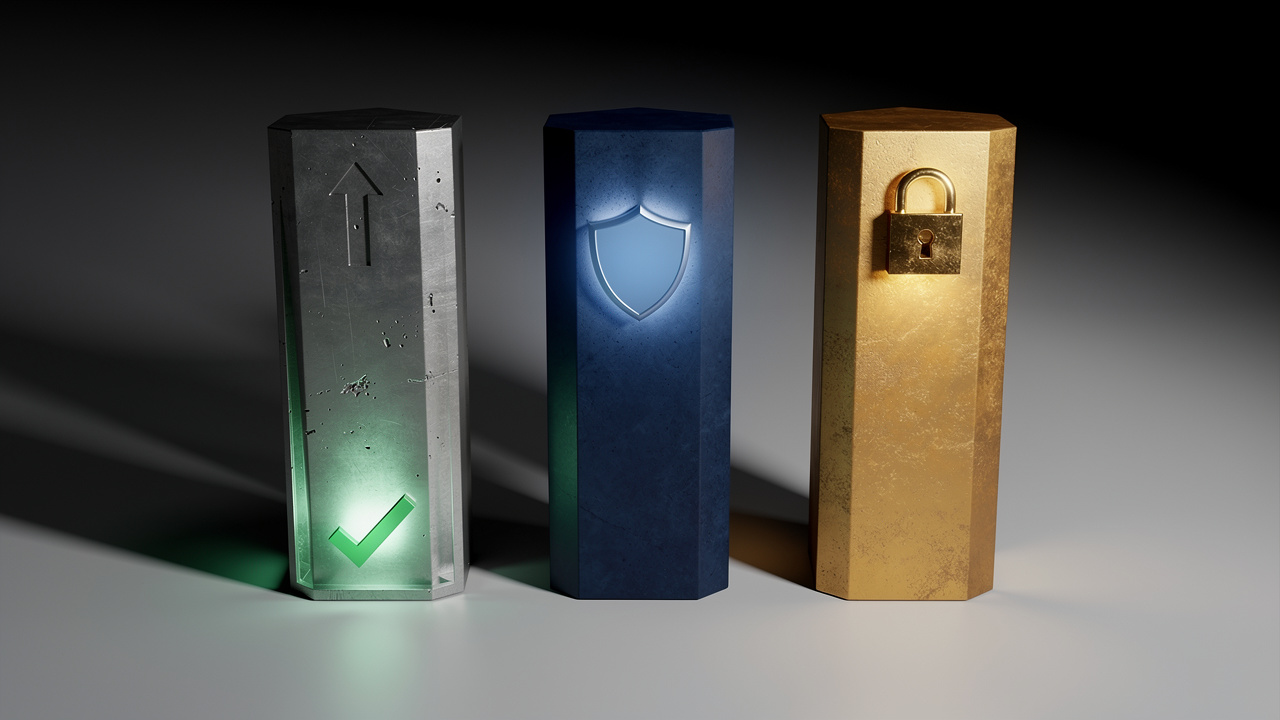
A real zero knowledge proof must satisfy three strict rules at the same time, and skipping any one of them breaks the entire system. These rules exist so that honest claims always get accepted, dishonest claims always get rejected, and no extra information ever leaks out in the process. Cryptographers call them completeness, soundness, and zero-knowledge, a framework described in informal zero-knowledge proofs documentation, and together they form the test that separates a genuine ZKP from an ordinary password check or data upload. Each rule protects a different part of the exchange, so understanding all three gives you a full picture of why this technology is trusted for sensitive tasks like identity checks and financial verification.
Completeness: true statements always pass
Completeness means that if a statement is genuinely true, an honest prover can always convince the verifier of it. This rule guarantees that legitimate claims never get wrongly rejected, as long as both sides follow the process correctly. Without completeness, a perfectly valid proof could fail for no good reason, which would make the whole system unreliable.
Soundness: false claims can’t sneak through
Soundness protects against fraud by making sure a false statement almost never passes as true. A dishonest prover has close to zero chance of faking a valid proof without actually holding the real secret behind it. This is what makes cheating the system computationally impractical, even for someone determined to try.
Zero-knowledge: nothing extra gets revealed
Zero-knowledge is the property that gives this technology its name, and it means the verifier learns only “true” or “false,” nothing else. No hidden numbers, personal records, or supporting data ever get exposed during the check. This is exactly what makes the method privacy-preserving by design, rather than privacy-protecting as an afterthought.
How do interactive and non-interactive proofs differ?
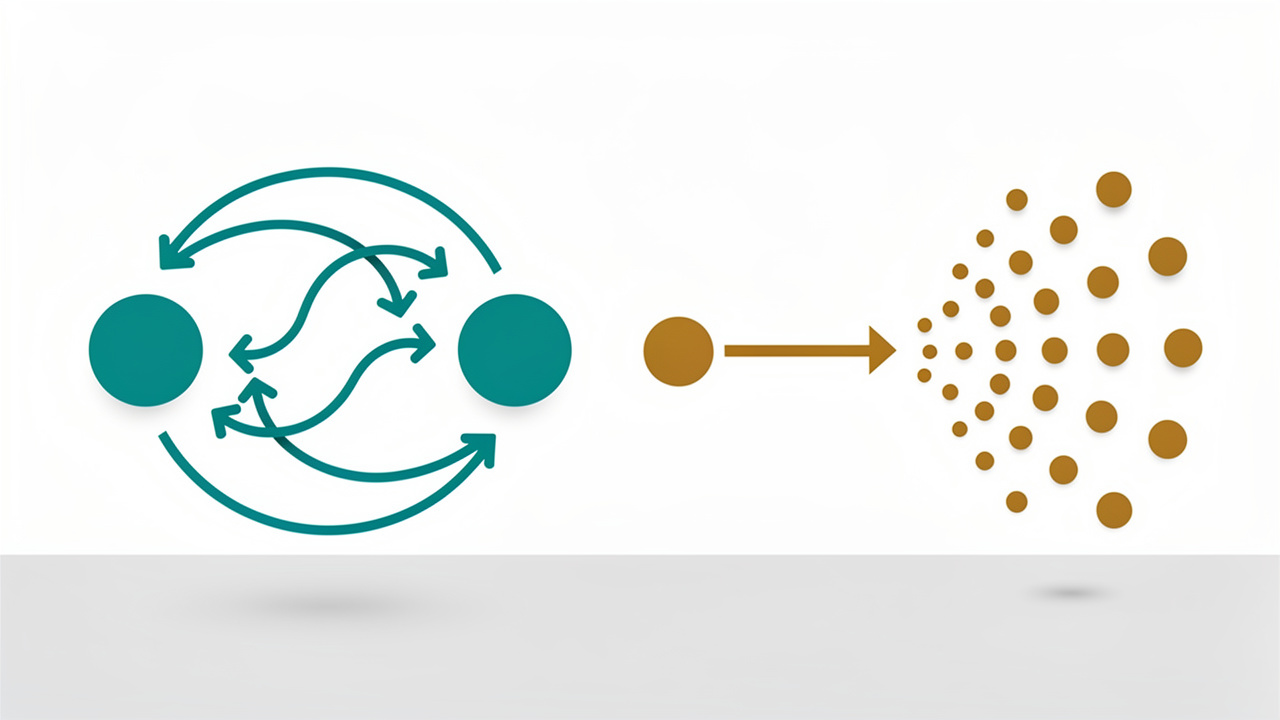
Interactive and non-interactive proofs are the two main formats a zero knowledge proof can take, and the difference comes down to whether the prover and verifier need to communicate in real time. Interactive proofs involve the verifier sending challenges and the prover responding, often across several rounds, until the verifier is satisfied the claim is true. This back-and-forth builds confidence gradually, but it requires both sides to be active and connected at the same time, which isn’t always practical.
Non-interactive proofs skip that live exchange entirely. The prover generates a single proof upfront, and anyone can check it later without needing to talk to the original prover at all. This format is especially useful for blockchain and distributed systems, where many people might need to verify the same claim independently, since a one-time proof is far more efficient than repeating a live conversation with every new verifier.
| Proof type | How it works | Best suited for |
|---|---|---|
| Interactive | Verifier and prover exchange challenges over several rounds | One-off checks between two known parties |
| Non-interactive | Prover creates a single proof that anyone can verify later | Blockchain and systems with many independent verifiers |
Where are zero knowledge proofs used today?
Zero knowledge proofs already power a range of real systems, from identity checks you encounter daily to the private transactions running behind certain cryptocurrencies. The common thread across every use case is the same, confirming a fact is true while keeping the supporting data locked away from view. This matters most in situations where the information itself, like a birthdate, a bank balance, or a medical record, is sensitive enough that sharing it creates risk even when the verification itself is routine. As more services adopt this approach, users get to keep control over what they disclose instead of handing over everything just to pass a single check.
Everyday uses: identity, finance, and healthcare
- Age verification: Google has been testing zero knowledge proof systems that confirm a user meets an age requirement without uploading an ID or revealing a birthdate.
- Mortgage and loan applications: these can work the same way, letting a lender confirm you meet income requirements without seeing your full tax history.
- Healthcare credentials: providers can validate credentials or treatment eligibility while keeping detailed medical records private from anyone who doesn’t strictly need to see them.
Blockchain and digital security uses
Zcash uses a specific type of zero knowledge proof called a ZK-SNARK (which stands for Zero-Knowledge Succinct Non-Interactive Argument of Knowledge) to keep transaction amounts and wallet addresses private on an otherwise public blockchain. Financial institutions including JPMorgan and ING have adopted similar proof systems for confidential transaction checks, while EY has supported enterprise use cases that let businesses operate privately on public blockchain networks. The same underlying idea also supports anonymous digital voting and password-free authentication, where a user proves they know a secret without ever transmitting it across the network.
Why does privacy matter in a zero knowledge world?
Privacy matters here because zero knowledge proofs are built around data minimization, the principle of sharing only what’s strictly necessary to complete a task. When a company verifies your age or income without collecting the underlying documents, there’s simply less sensitive information sitting on a server waiting to be breached. That reduced footprint also makes compliance with regulations like GDPR more straightforward, since organizations aren’t storing data they never needed in the first place.
The less data a system collects, the less there is to lose when something goes wrong.
This same philosophy, minimal exposure by default, is exactly what drives demand for privacy-first digital tools people rely on every day. Tools Repository follows that approach with its collection of browser-based utilities, which run entirely on your own device with zero data collection or tracking involved. Whether you’re formatting JSON, converting code, or running a quick calculation, you never have to hand over sensitive inputs to a server just to get a simple task done.
The takeaway
Zero knowledge proofs let you prove a fact is true, whether it’s your age, your eligibility, or a transaction’s validity, without ever exposing the private data that backs it up. That single idea is reshaping how identity checks, financial verification, and blockchain transactions work across industries, and it’s becoming more relevant as data breaches and privacy regulations push companies toward collecting less personal information overall.
If this kind of privacy-conscious thinking appeals to you, it’s worth applying the same standard to the everyday tools you use for work. Tools Repository offers over 100 free, browser-based utilities built on that exact principle, so you get fast results without sign-ups, tracking, or your client-side processing.
Frequently asked questions
Is zero knowledge proof technology safe to use?
Yes, zero knowledge proofs are mathematically designed so that cheating is practically impossible, thanks to the soundness property covered earlier, a principle also central to privacy-enhancing cryptography standards published by federal researchers. Major financial institutions including JPMorgan and ING already rely on this technology for secure transaction verification, which reflects a strong level of trust in its real-world reliability.
What is the difference between ZK-SNARKs and ZK-STARKs?
ZK-SNARKs produce smaller proofs with faster verification but often require a “trusted setup,” a one-time process that must be handled carefully. ZK-STARKs remove that trusted setup requirement entirely, making them more transparent, though their proof sizes tend to be larger and need more computing power to check.
Can zero knowledge proofs be used outside of blockchain?
Yes, blockchain is just one popular application, not a requirement for the technology to work. Zero knowledge proofs already support healthcare data validation, financial eligibility checks, and digital identity verification in systems that have nothing to do with cryptocurrency or distributed ledgers.
Do zero knowledge proofs require special software to use?
No, most zero knowledge proof activity happens behind the scenes inside apps and services you already use. Everyday users typically don’t need to install anything special, no-login tools, or learn new tools to benefit from the privacy protection it provides.
How is a zero knowledge proof different from encryption?
Encryption hides data but still allows someone with the right key to decrypt and view it later. A zero knowledge proof works differently, protect privacy online without ever revealing or transmitting the underlying data at all, even in encrypted form.